%2Ffit-in%2F250x250%2Fguide_websites%2F132840%2Fimages%2F1778206412763logo.jpg&w=1920&q=100)
Bass Fishing in Spring Park MN - Lake Minnetonka Guide
Bass Fishing on Lake Minnetonka - What to Expect
%2F%2Fusers%2Fe56c295c-5307-4858-ae6b-e82dc4616183%2Fimages%2Fspring-park-bass-fishing-catch-2833.jpg&w=1920&q=75)
Cruises, Fishing Adventures by Captain Dusty Hafner in May
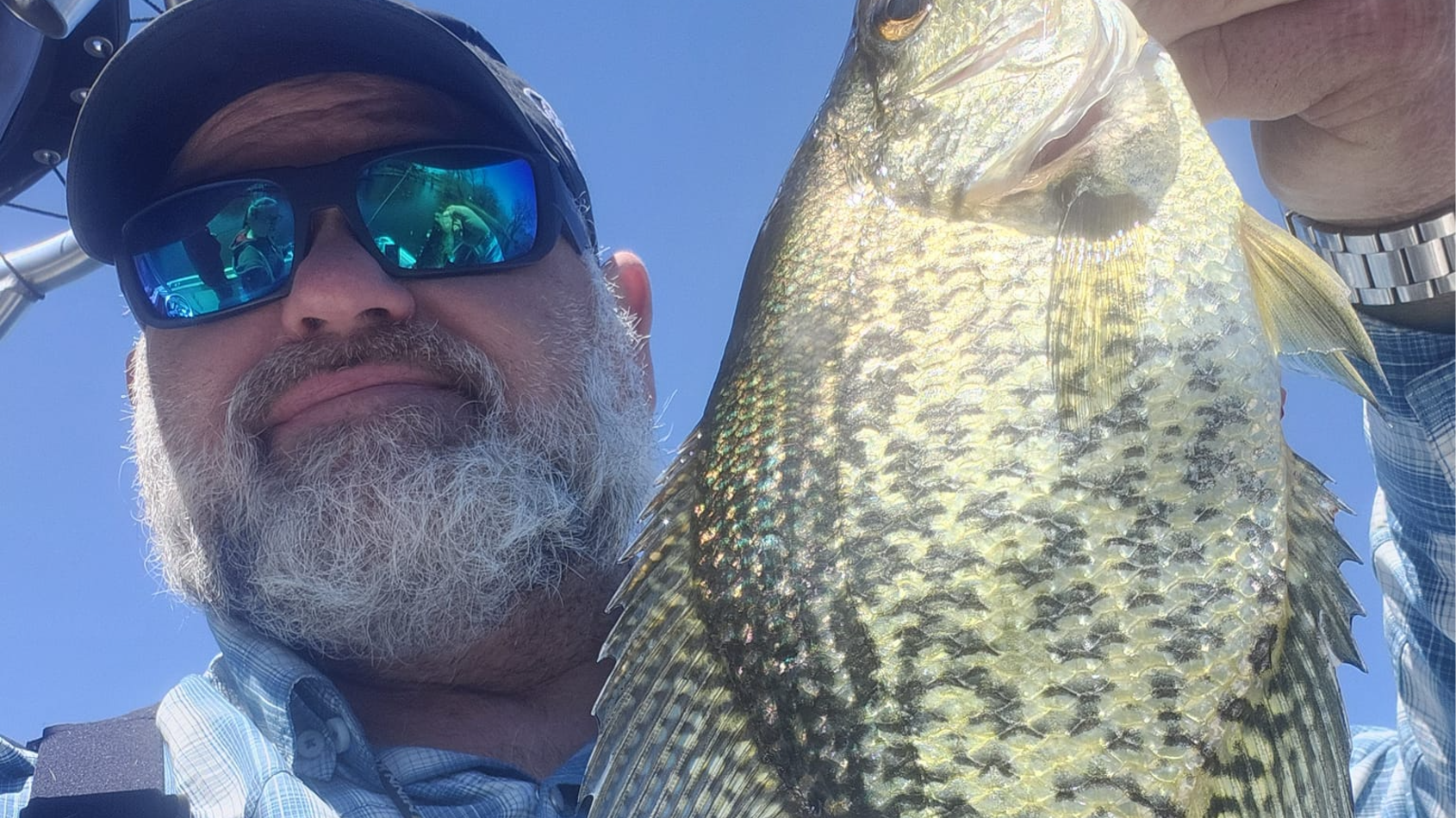
- Lake Minnetonka Guided Fishing Trips


Summary
Join a fishing adventure on Lake Minnetonka in Spring Park, MN with Captain Dusty Hafner. This Thursday in May fishing cruise targets bass in one of Minnesota's premier freshwater destinations, offering both novice and experienced anglers the chance to learn effective techniques while exploring the lake's productive structure and seasonal patterns.
Fishing with Captain Dusty Hafner - Rates & Booking
Captain Dusty Hafner of Fishing with Capt. Dusty Hafner operates guided fishing adventures on Lake Minnetonka in Spring Park, Minnesota. This hands-on fishing experience puts you on one of the region's most productive bass fisheries, where local knowledge and proven techniques make the difference between a good day and a great one. Contact Captain Hafner directly to discuss trip dates, group size, and what's included in your guided fishing cruise.
When booking your bass fishing adventure, ask about what gear is provided, whether licenses are included, and the best times of year for targeting trophy-sized bass. Captain Hafner's local expertise on Lake Minnetonka ensures you'll fish proven spots and learn methods that work year-round.
Highlights of Your Fishing Experience
Lake Minnetonka offers diverse structure and depth that holds quality bass throughout the season. Working shallow flats in spring, transitioning to deeper haunts in summer, and returning to feeding zones in fall - these patterns define successful bass fishing here. You'll see why this lake is a preferred destination for both casual anglers and serious trophy hunters.
The experience combines active fishing techniques with the natural beauty of Minnesota's lake country. Expect to cast to vegetation, work points and drop-offs, and learn how seasonal changes drive bass behavior in a clear, well-managed freshwater system.
Local Bass Insights - Lake Minnetonka Fishery
Lake Minnetonka's bass population consists primarily of largemouth bass, a species that thrives in the lake's mix of weed growth, sandy bottom areas, and structural features. Largemouth bass behavior is closely tied to water temperature and food availability. In spring, they move into shallower water as temperatures warm, actively feeding in preparation for spawning. Summer patterns push them toward deeper structure and shade - submerged trees, rock piles, and weed lines become primary holding areas. Fall brings another feeding push as water cools, often producing some of the year's largest fish.
What makes Lake Minnetonka special is its consistency. The lake's size and structure support year-round bass populations that respond predictably to seasonal cues. Understanding these patterns - when to fish shallow versus deep, which presentations work in each season, and how to read water conditions - separates successful anglers from those who struggle. Captain Hafner's guided trips teach these fundamentals while you actively fish, building skills that transfer to other bass fisheries.
Largemouth bass are ambush predators that rely on cover and structure to hunt. They're attracted to areas where current, depth changes, or food sources converge. On Lake Minnetonka, this translates to fishing vegetation edges, point transitions, sunken timber, and shallow flats adjacent to deeper water. The bass here have learned to recognize standard presentations, which is why technique refinement and location strategy matter as much as lure selection.
The fishing experience on Lake Minnetonka teaches you not just where to cast, but why those spots hold fish. You'll develop an understanding of how seasonal temperature shifts influence bass location, how structure concentration affects catch rates, and why some days produce better than others. This knowledge-based approach to bass fishing - grounded in understanding fish behavior and environmental factors - creates a foundation for consistent success.